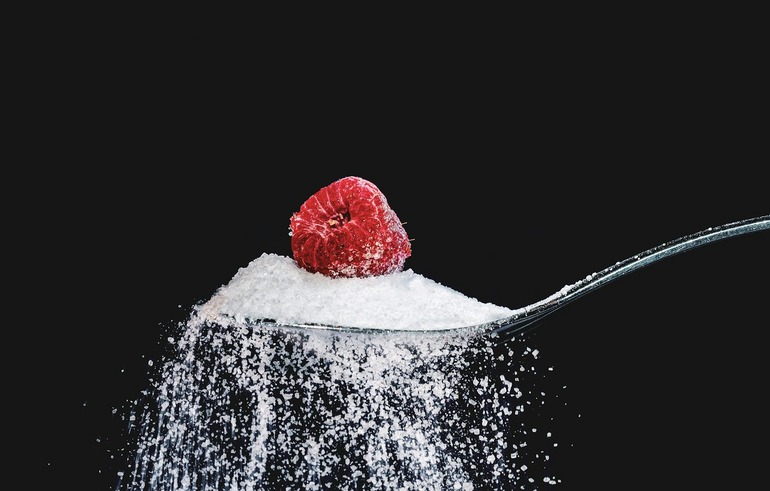
Walk down any grocery aisle today, and you’ll see a huge lineup of products proudly labeled “Sugar-Free.” Food brands know exactly what they’re doing — modern consumers want fewer added sugars, fewer blood sugar spikes, and fewer empty calories.
But here’s the uncomfortable truth: “sugar-free” doesn’t always mean what you think it means. In fact, many foods with this label still contain hidden sugars, alternative sweeteners that act like sugar, or carbohydrate sources that behave almost identically inside your body.
This guide breaks down ten everyday foods that often disguise sweeteners under friendly-sounding names. Whether you’re cutting sugar for health, weight loss, diabetes, or simply better living, knowing these sneaky ingredients helps you make smarter choices.
Why “Sugar-Free” Doesn’t Always Mean No Sugar
Before we get into the list, it helps to understand how brands bend the rules.
Under FDA standards:
✔ “Sugar-free” means less than 0.5 g of sugar per serving
✘ It does not mean the product is free of ingredients that turn into sugar
✘ It does not guarantee a low glycemic impact
✘ It does not limit artificial sweeteners or sugar alcohols
And because serving sizes can be manipulated (“8 servings per tiny bag”), a product may technically qualify as “sugar-free” while still delivering meaningful sweeteners, just spread across microscopic servings.
So let’s uncover what’s really going on.
1. Sugar-Free Yogurt Cups
Yogurt is marketed as a healthy, gut-friendly snack, and it can be.
But sugar-free versions often contain:
- Lactose, a naturally occurring milk sugar
- Maltodextrin, a highly processed carbohydrate with a glycemic index even higher than sugar
- Artificial sweeteners (aspartame, acesulfame-K) that still stimulate insulin in some people
Yogurt also contains whey, which breaks down into glucose quickly during digestion.
Better alternative:
Choose plain Greek yogurt and sweeten it yourself with a small amount of allulose, stevia, or fresh berries.
2. Sugar-Free Granola & Breakfast Cereals
Breakfast cereal is one of the worst offenders in the grocery store.
Even “sugar-free” versions often contain:
- Oats, rice crisps, or barley malt, all of which break down rapidly into glucose
- Dried fruit, which contains concentrated fructose
- Brown rice syrup — technically not “sugar,” but metabolized almost exactly the same way
A bowl that looks healthy on paper may still spike blood sugar nearly as much as a bowl of conventional cereal.
Better alternative:
Look for nut-based granolas or low-carb blends sweetened with monk fruit or allulose.
3. Sugar-Free Protein Bars
Protein bars are marketed as fitness food, but many are candy bars in disguise, even the ones labeled “sugar-free.”
Hidden sugars often include:
- Glycerin (a sugar alcohol listed as a “humectant”)
- Tapioca fiber syrup, a misleading ingredient that can contain 30–90% digestible carbs
- Maltitol, the king of deceptive low-carb sweeteners
Important note: Maltitol may not be labeled as “added sugar,” but it spikes blood sugar in many people almost like regular sugar.
Better alternative:
Look for bars using allulose + prebiotic fiber, or go for whole foods like nuts and jerky.
4. Sugar-Free Salad Dressings
You’d think salad dressings would be safe.
Unfortunately, many sugar-free bottles contain:
- High-fructose corn syrup alternatives like corn dextrin
- Honey powder, “fruit juice concentrate,” or “evaporated cane juice”.
- Modified food starch — again, technically not sugar, but a fast-digesting carb
A “sugar-free” ranch dressing might still deliver a blood sugar spike you never expected.
Better alternative:
Oil-based dressings with clean labels (olive oil, vinegar, herbs).
5. Sugar-Free Ketchup & BBQ Sauces
Brands know that ketchup is sugar heaven, so “sugar-free” versions are everywhere.
Common hidden sweeteners:
- Sucralose (Splenda) — doesn’t add sugar, but can increase insulin response
- Molasses powder
- Tomato paste — naturally high in fructose
- Maltodextrin — found in many BBQ sauces
Even when something has “no sugar added,” the base ingredients themselves may contain natural sugars, and the serving size is usually tiny (1 tablespoon).
Better alternative:
Pick sauces sweetened with allulose or monk fruit, or make your own from tomato puree + spices.
6. Sugar-Free Nut Butters
Peanut and almond butters sound simple. But some sugar-free varieties hide:
- Palm oil + corn syrup solids
- Maltodextrin (again, it’s everywhere)
- Powdered sweeteners disguised as “flavoring.”
And natural nut butters? They still contain:
- 2–4 grams of natural sugars per serving from the nuts themselves
So “sugar-free” nut butter may be technically correct, yet still deliver a glycemic load if you eat multiple spoonfuls (which we all do).
Better alternative:
Choose “nuts + salt only” options.
7. Sugar-Free Bread, Wraps & Tortillas
These products are exploding in popularity, but proceed with caution.
Most sugar-free breads contain:
- Wheat starch – rapidly metabolized into glucose
- Oat fiber blends that contain hidden carbs
- Glycerin and maltitol syrups
- “Low-net-carb” claims based on questionable fiber math
Just because “sugar” isn’t added doesn’t mean the bread is low-carb or blood-sugar friendly.
Better alternative:
Look for almond- or coconut-based breads, or stick with protein-rich wraps made from eggs or cauliflower.
8. Sugar-Free Ice Cream
Sugar-free ice cream sounds like a dream, but it’s often a nightmare for blood sugar.
Here’s what’s usually inside:
- Maltitol (spikes blood sugar)
- Polydextrose
- Soluble corn fiber that may not be as “fiber-rich” as advertised
- Flavored syrups containing hidden sugars
Even when sweetened with stevia or monk fruit, the milk and cream still contain lactose, and the total carb count often remains high.
Better alternative:
Choose ice creams sweetened with allulose, which has the lowest impact on glycemic response.
9. Sugar-Free Cough Drops & Medications
This one shocks people, especially diabetics.
Sugar-free cough drops often include:
- Maltodextrin
- Corn syrup solids
- Sorbitol, isomalt, or xylitol (which can cause GI distress)
- Honey flavoring that sometimes contains real sugars
Because they’re used multiple times per day, the cumulative carb intake can be surprisingly high.
Better alternative:
Choose drops sweetened only with menthol + monk fruit or stevia.
10. Sugar-Free Coffee Creamers
Coffee creamers are one of the biggest sources of hidden sugars in the average diet.
Even “sugar-free” creamers usually contain:
- Corn syrup derivatives
- Maltodextrin (again!)
- Artificial sweeteners that increase cravings
- Natural flavors with trace sweeteners
Plus, the serving size is 1 tablespoon, and most people pour 3–4 without realizing it.
Better alternative:
Try unsweetened almond milk + a dash of vanilla extract, or a monk-fruit-sweetened creamer.
11. Sugar-Free Candy
Sugar free candy is one of the biggest hidden sugar traps on store shelves. While these products don’t contain “sugar,” they usually include ingredients that behave just like it once you eat them.
Common culprits include:
- Maltitol (the worst offender — spikes blood sugar in many people)
- Sorbitol, isomalt, xylitol (can still raise insulin and cause digestive discomfort)
- Glycerin, often labeled as a humectant but still contributes carbs
- Soluble corn fiber that may be partially digestible despite marketing claims
- Artificial sweeteners that increase cravings and appetite
Most sugar-free candies qualify as “sugar-free” because serving sizes are tiny, sometimes just one piece. But almost no one eats only one.
Better alternative:
Look for candies sweetened with allulose or monk fruit, or choose naturally sweet snacks like berries or dark chocolate (90%+ cacao).
Why Companies Use Hidden Sugars
There are three main reasons:
1. Taste
Sugar makes everything taste better. Removing it is bad for sales, so companies sneak in alternatives or carb sources that mimic sweetness.
2. Texture & Mouthfeel
Carbs such as maltodextrin give foods creaminess, thickness, or chewiness.
3. Label Loopholes
If an ingredient isn’t chemically classified as “sugar,” brands can legally write “sugar-free” on the label.
This allows them to appear healthier without truly changing the formulation.
Common Sugar Names to Watch For (Bookmark This!)
If you see these on a label, there’s sugar hiding somewhere:
Sugar by another name
- Evaporated cane juice
- Fruit juice concentrate
- Brown rice syrup
- Barley malt
- Honey powder
- Agave solids
- Caramel
- Dextrin/maltodextrin
- Corn syrup solids
Sugar alcohols (not all are bad)
| Better Options | High-GI or Problematic Options |
| Allulose | Maltitol |
| Erythritol | Sorbitol |
| Monk fruit blends | Mannitol |
| Stevia blends | Isomalt |
Hidden carb sources
- Modified food starch
- Tapioca syrup
- Potato starch
- Oat flour
- Rice flour
- Wheat dextrin
Even “flour” is essentially a refined carbohydrate that acts like sugar in the body.
How to Actually Choose Truly Sugar-Free Foods
Here’s the trick:
Ignore the front label, go straight to the ingredients.
Follow these simple guidelines:
1. Scan for maltodextrin first
If it’s there, the product probably isn’t low-sugar in effect.
2. Look at total carbohydrates, not sugar alone
A bread with “0g sugar” but “18g carbs” per slice will still spike blood glucose.
3. Watch serving sizes
If one serving is unrealistically small, multiply the numbers to reflect how much you actually eat.
4. Prefer allulose, stevia, and monk fruit
They have minimal glycemic impact.
5. Avoid ambiguous terms like “natural flavors.”
They often contain proprietary sweet blends.
Final Thoughts: “Sugar-Free” Isn’t Always Your Friend
The modern food industry tries its best to appeal to health-conscious shoppers, but the “sugar-free” label is often more of a marketing tool than a genuine nutritional benefit.
If you want to avoid hidden sugars, the best strategy is simple: Skip the claims on the front. Read the ingredients on the back.
By understanding where sugars are hiding, whether it’s in yogurt, granola, creamer, or salad dressing, you can take control of your health and build a truly low-sugar lifestyle.