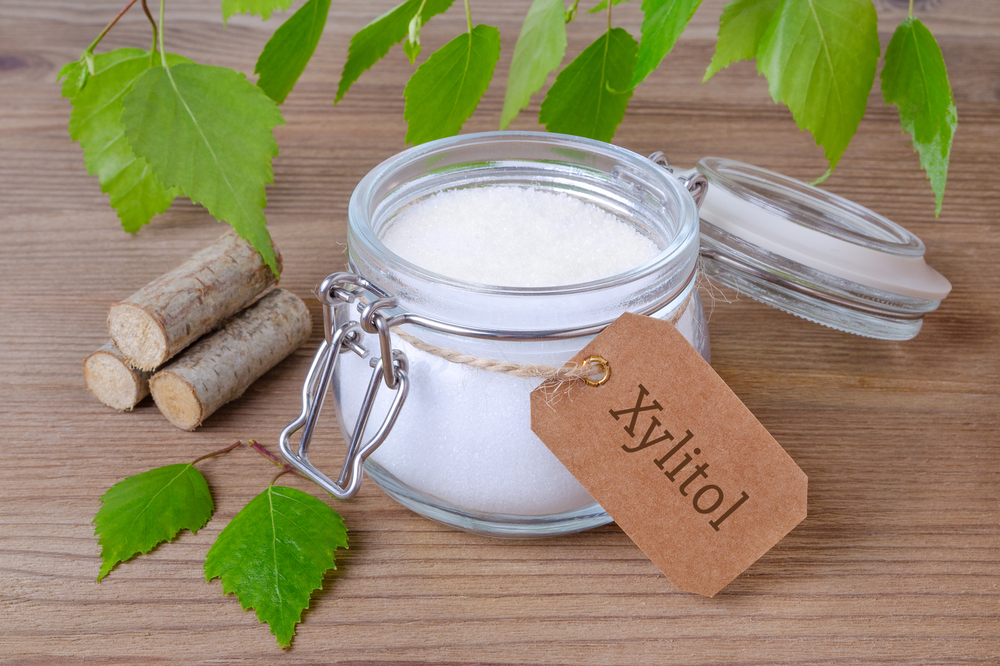
Sugar-free hard candies have become increasingly popular, but not all sweeteners are created equal. Sugar alcohols, or polyols, are commonly used to provide sweetness without the blood sugar spike of regular sugar.
However, each sugar alcohol has unique characteristics that affect taste, texture, digestive tolerance, and health.
In this guide, we’ll explore the top five sugar alcohols used in hard candy and help you determine which one might be best for your needs and recipes.
What are sugar alcohols?
Sugar alcohols are naturally occurring or synthetic compounds that share properties of both sugars and alcohols but don’t contain ethanol. They are widely used in sugar-free candies, gums, and baked goods. Sugar alcohols provide:
- Sweetness similar to sugar
- Fewer calories per gram
- Lower glycemic impact
- Dental-friendly properties
Understanding their differences is key for both health-conscious consumers and candy makers, as each affects taste, texture, and digestion differently.
How sugar alcohols impact your body
Before diving into individual sugar alcohols, it’s important to understand their effects on your body:
- Blood sugar: Most sugar alcohols have a low glycemic index, meaning they don’t cause sharp blood sugar spikes. This makes them ideal for diabetics and those on low-carb diets.
- Digestive tolerance: Overconsumption may lead to bloating, gas, or diarrhea. Tolerance varies by type and individual sensitivity.
- Calorie content: While some, like erythritol, are virtually calorie-free, others contain moderate calories.
- Dental benefits: Sugar alcohols like xylitol can help reduce cavities by inhibiting bacterial growth in the mouth.
5 best sugar alcohols used in hard candy
Sugar alcohols each bring unique characteristics to hard candy, from sweetness and texture to health benefits and digestive tolerance.
1. Xylitol – sweet, dental-friendly, and cooling
Key Features:
- Sweetness: ~100% of sugar
- Calories: 2.4 kcal/g
- Glycemic index: 7 (very low)
Candy Applications:
Xylitol has a clean, sugar-like taste and creates a refreshing cooling effect in hard candy. It’s popular in mints and sugar-free gums.
Pros:
- Supports dental health
- Low glycemic impact
- Very similar taste to sugar
Cons:
- Can cause digestive issues in high amounts
- Toxic to pets (especially dogs)
2. Erythritol – almost zero-calorie and gentle on digestion
Key Features:
- Sweetness: 60–70% of sugar
- Calories: 0.2 kcal/g
- Glycemic index: 0
Candy Applications:
Erythritol provides bulk and sweetness while being nearly calorie-free. It’s less likely to cause digestive upset than sorbitol or maltitol.
Pros:
- Virtually calorie-free
- No significant blood sugar effect
- Good for diabetics and low-carb diets
Cons:
- Less sweet than sugar, may need blending
- Can have a slight cooling effect in candies
3. Sorbitol – moisture retention and shelf-life champion
Key Features:
- Sweetness: 50–60% of sugar
- Calories: 2.6 kcal/g
- Glycemic index: 9
Candy Applications:
Sorbitol is often used in sugar-free hard candies, chewy candies, and lozenges. Its humectant property helps retain moisture, extending shelf life.
Pros:
- Stabilizes candy texture
- Prevents crystallization
- Low glycemic index
Cons:
- Can cause digestive issues at high doses
- Less sweet than sugar, often blended with other sweeteners
4. Maltitol – sweet and sugar-like
Key Features:
- Sweetness: 75–90% of sugar
- Calories: 2.1 kcal/g
- Glycemic index: 35
Candy Applications:
Maltitol closely mimics sugar’s sweetness and texture, making it a popular choice in hard candies and chocolates.
Pros:
- Very similar taste and mouthfeel to sugar
- Suitable for sugar-free candy lovers
Cons:
- Can cause bloating or diarrhea in sensitive individuals
- Slight impact on blood sugar, so moderation is advised
5. Isomalt – perfect for candy makers
Key Features:
- Sweetness: 45–60% of sugar
- Calories: 2 kcal/g
- Glycemic index: 2
Candy Applications:
Isomalt is prized for its stability, resistance to crystallization, and ability to create shiny, clear hard candies.
Pros:
- Excellent for professional candy making
- Minimal impact on blood sugar
- Low digestive discomfort
Cons:
- Less sweet, often blended with other sweeteners
- The cooling effect may be noticeable in some recipes
Comparison chart: top sugar alcohols
| Sugar Alcohol | Sweetness vs Sugar | Calories (kcal/g) | Glycemic Index | Candy Use | Digestive Tolerance |
| Xylitol | 100% | 2.4 | 7 | Mints, gums | Moderate |
| Erythritol | 60–70% | 0.2 | 0 | Sugar-free candies | High |
| Sorbitol | 50–60% | 2.6 | 9 | Chewy candies, lozenges | Moderate |
| Maltitol | 75–90% | 2.1 | 35 | Chocolates, hard candy | Moderate-High |
| Isomalt | 45–60% | 2 | 2 | Hard candies, lollipops | High |
Choosing the right sugar alcohol
Selecting the right sugar alcohol depends on your goals, taste preferences, and how you plan to use it. Here’s what to consider:
- Health goals: For blood sugar management, erythritol and xylitol are preferable.
- Digestive sensitivity: Erythritol and isomalt are easier on the stomach.
- Taste and texture: Maltitol and xylitol give the closest sugar-like sweetness, while isomalt offers superior clarity and structure in hard candies.
- Candy making: Professional candy makers often blend multiple sugar alcohols to optimize sweetness, texture, and stability.
Tips for safe consumption
- Start with small amounts to gauge digestive tolerance.
- Read nutrition labels to track sugar alcohol intake.
- Blend sugar alcohols in recipes to balance sweetness, reduce cooling effects, and improve texture.
- Keep candies away from pets if using xylitol.
The upshot
Sugar alcohols offer a sweet alternative to sugar without the same caloric or glycemic impact. Each type has unique advantages and limitations, whether you’re a candy lover, health-conscious consumer, or professional candy maker. Understanding the differences can help you make the best choice for taste, health, and digestive comfort.
Terminology you should know
- Glycemic Index (GI): A measure of how quickly a food raises blood sugar levels. Low GI foods release sugar slowly, which is better for blood sugar management.
- Humectant: A substance that attracts and retains moisture. In candy, humectants like sorbitol help keep candies soft and prevent crystallization.
- Digestive Tolerance: Refers to how well a person can digest sugar alcohols. Overconsumption can cause bloating, gas, or diarrhea, depending on the type and individual sensitivity.
- Crystallization: The process by which sugar molecules form solid crystals. Sugar alcohols like isomalt help prevent crystallization, resulting in smooth, clear candies.