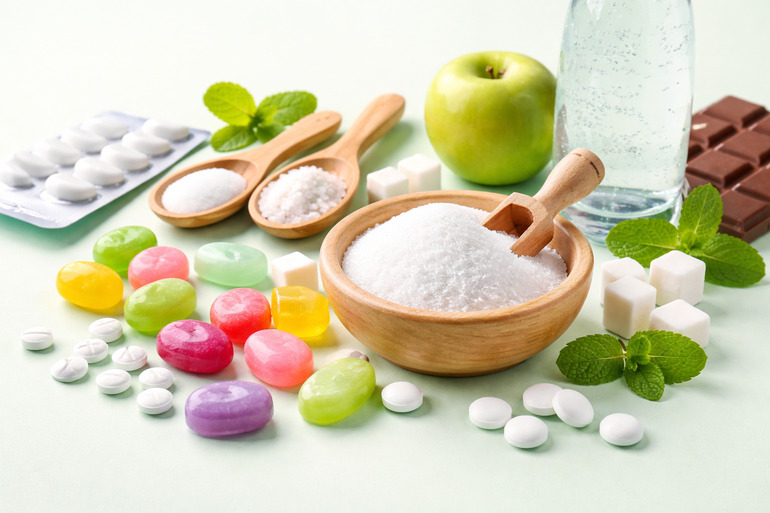
If you’ve ever picked up sugar-free gum, candy, or dessert, you’ve probably noticed ingredients like xylitol, erythritol, or sorbitol. These are all sugar alcohols, a type of sweetener that tastes sweet but behaves differently from regular sugar.
In this guide, we’ll explain what sugar alcohols are, how they affect your body, their benefits, and what to watch out for, all in easy-to-understand language for beginners.
What are sugar alcohols?
Sugar alcohols are a type of carbohydrate used as a sugar substitute. Despite the name, they are neither sugar nor alcohol in the way we usually think of them. Instead, they are a chemical hybrid between sugar and alcohol molecules.
Common types of sugar alcohols
- Xylitol – Popular in sugar-free gum and dental products.
- Erythritol – A low-calorie sweetener often used in desserts.
- Sorbitol – Found in sugar-free candies and chewing gum.
- Maltitol – Common in baked goods and chocolate.
- Mannitol – Used in some diet foods and medicine.
These sweeteners provide fewer calories than regular sugar and are often labeled as “sugar-free” on products.
How sugar alcohols affect your body
Sugar alcohols are partially absorbed by the body, which is why they don’t spike blood sugar as regular sugar does.
Blood sugar impact
- Most sugar alcohols have a low glycemic index, making them suitable for people watching their blood sugar.
- For example, erythritol has almost zero effect on blood sugar.
Digestive effects
- Because sugar alcohols aren’t fully absorbed, they can sometimes cause bloating, gas, or mild diarrhea if consumed in large amounts.
- Everyone’s tolerance is different, so it’s best to start with small amounts and increase slowly.
Dental benefits
- Unlike sugar, sugar alcohols don’t feed cavity-causing bacteria.
- Xylitol, in particular, has been shown to help reduce tooth decay.
Benefits of sugar alcohols
Because sugar alcohols behave differently from regular sugar in the body, they come with several notable advantages that make them a popular choice for people seeking healthier alternatives.
- Low in calories – They contain fewer calories per serving than sugar, which can help with weight management.
- Blood sugar friendly – They have minimal impact on blood sugar and are safer for people with diabetes.
- Tooth-friendly – Reduce the risk of cavities compared to sugar.
- Versatile – Used in sugar-free candy, gum, desserts, and beverages.
Possible side effects & cautions
While sugar alcohols are generally safe, there are a few things to keep in mind:
- Digestive issues: Eating too much at once can cause gas, bloating, or diarrhea.
- Recommended limits: Most adults tolerate 10–30 grams per day without issues, but this varies by type.
- Individual sensitivity: Some people are more sensitive than others. Start small if you’re new to sugar alcohols.
Tip: Read nutrition labels to check how much sugar alcohol is in each serving.
Common foods & products with sugar alcohols
Sugar alcohols are used in a wide range of everyday products, making it easier to enjoy sweetness without the added sugar. Here are some of the most common foods and beverages where you’ll find them:
- Sugar-free gum and mints – Xylitol is popular for dental health.
- Low-calorie desserts – Cakes, cookies, and chocolate using erythritol or maltitol.
- Beverages – Diet drinks and flavored water.
- Packaged health foods – Protein bars, low-sugar snacks, and sugar-free syrups.
Quick comparison of sweeteners
| Sweetener | Calories per gram | Blood Sugar Effect | Common Use |
| Xylitol | 2.4 | Low | Gum, mints, candies |
| Erythritol | 0.24 | Very low | Baking, desserts |
| Sorbitol | 2.6 | Moderate | Candy, gum |
| Maltitol | 2.1 | Moderate | Chocolate, baked goods |
The upshot
Sugar alcohols are a smart alternative to sugar for those who want to enjoy sweet flavors without the extra calories or blood sugar spikes. They are safe for most people when consumed in moderation and offer benefits for oral health and weight management.
If you’re new to sugar alcohols, start with small amounts and pay attention to your body’s response. Always read labels and choose products that suit your taste and health goals.
By understanding sugar alcohols, you can make better choices for a healthier, lower-sugar lifestyle.