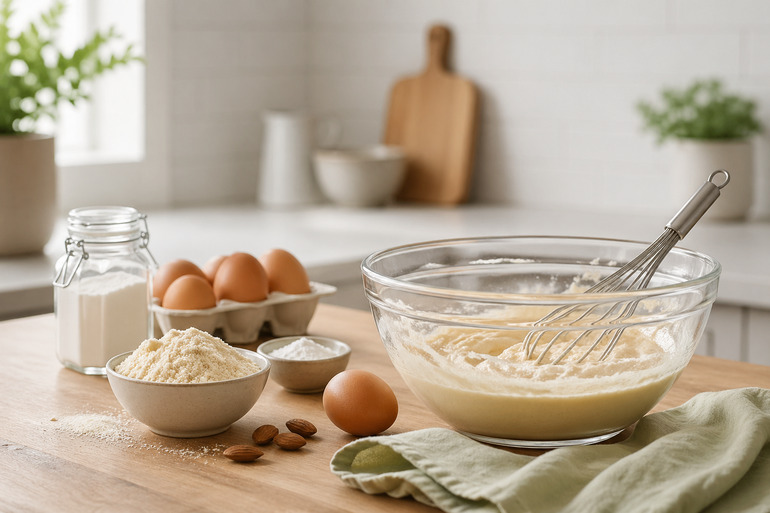
You followed the recipe carefully, but the result still felt wrong. The cake was dry, the dessert tasted slightly bitter, or something just didn’t feel satisfying.
That’s the frustrating part of sugar-free cooking. It’s about replacing everything sugar was quietly doing behind the scenes, especially when reducing overall added sugar intake.
In this guide, I’ll walk you through the most common sugar-free cooking mistakes, explain why sugar-free recipes fail, and show you exactly how to fix them in a practical, no-confusion way.
Why does sugar-free cooking feel difficult?
Most people think sugar only adds sweetness. But in reality, it plays multiple roles: it keeps food moist, helps with browning, and gives structure to baked goods.
So when you remove sugar, your recipe loses more than sweetness. That’s why things suddenly feel unpredictable or inconsistent.
Once you understand this, sugar-free cooking becomes much easier, because now you’re not guessing, you’re adjusting with purpose.
11 Common sugar-free cooking mistakes (and how to fix them)
Let’s break this down step by step. These are real, everyday mistakes, and once you fix them, your results improve almost immediately.
1. Using the wrong sweetener for the recipe
Not all artificial sweeteners behave the same, and using the wrong one can completely throw off your recipe. Some don’t provide structure, while others react differently to heat.
This is why a recipe might taste fine but still feel dry, grainy, or “off.”
How to fix it:
- Use erythritol or monk fruit blends for baking (they add bulk)
- Use stevia for drinks or light recipes (very concentrated)
- Try allulose for soft texture and better browning
- Avoid replacing sugar blindly with a 1:1 swap
2. Expecting the same texture as sugar-based recipes
One major reason why sugar-free recipes fail is unrealistic expectations. Sugar creates softness and structure, removing it changes how everything holds together.
So if your cake turns crumbly or dense, it requires minor adjustment.
How to fix sugar-free desserts:
- Add extra eggs for structure
- Use yogurt or cream for moisture
- Include nut butters for richness
- Adjust flour (almond flour often needs more binding)
Quick tip: Aim for a good texture, not an identical one.
3. Ignoring aftertaste issues
A weird aftertaste can ruin even a well-made dessert. Some sweeteners naturally leave a bitter or cooling effect if not balanced properly.
This is one of the most common sugar-free cooking mistakes beginners overlook.
How to fix it:
- Combine sweeteners (e.g., stevia + erythritol)
- Add vanilla, cocoa, or cinnamon to mask the taste
- Start with small amounts, then adjust
- Choose high-quality sweeteners
4. Overusing sweeteners
When something doesn’t taste sweet enough, the instinct is to add more. But in sugar-free cooking, this usually backfires.
Too much sweetener can create bitterness, cooling sensations, or an artificial taste.
How to fix it:
- Start with less than needed, then increase gradually
- Balance sweetness with a pinch of salt
- Add acidity (lemon, yogurt) to enhance flavor
- Taste at every step instead of guessing
5. Skipping binding ingredients
Without sugar, recipes often lose their ability to hold together. That’s why cookies crumble, or cakes break apart easily.
Sugar acts like a hidden binder, and now you need to replace that function.
How to fix it:
- Add eggs or flax eggs
- Use chia seeds or gelatin
- Include cream cheese or nut butter
- Avoid over-drying the batter
6. Not adjusting cooking time
Sugar-free recipes don’t follow the same cooking patterns. They may bake faster, slower, or brown differently.
If you rely only on standard timing, you’ll often overcook or undercook.
How to fix it:
- Check your food earlier than usual
- Lower oven temperature slightly if needed
- Look at texture and color, not just time
- Use a toothpick test for baked goods
7. Ignoring moisture loss
Sugar helps retain moisture, so when it’s removed, dryness becomes a common issue, especially in baked goods.
This is why sugar-free cakes often feel dry the next day.
How to fix it:
- Add extra liquid (milk, almond milk, cream)
- Use yogurt or applesauce for softness
- Don’t overbake, it dries food quickly
- Store in airtight containers
8. Choosing low-quality sweeteners
Not all sugar substitutes are created equal. Some cheaper options contain fillers that affect both taste and performance.
If your recipes taste “chemical” or inconsistent, the sweetener might be the issue.
How to fix it:
- Choose trusted, well-reviewed brands
- Look for pure or clean blends
- Avoid products with unnecessary additives
- Test small amounts before full use
9. Forgetting flavor balance
Sugar balances flavors. Without it, bitterness or acidity can stand out too much.
That’s why some sugar-free recipes taste “incomplete.”
How to fix it:
- Add a pinch of salt
- Use lemon juice or vinegar for balance
- Add spices like cinnamon or nutmeg
- Enhance natural flavors instead of forcing sweetness
10. Not testing recipes first
Sugar-free cooking has a learning curve. Jumping straight into a full recipe can lead to wasted ingredients if something goes wrong.
Small mistakes matter more here than in regular cooking.
How to fix it:
- Test small batches first
- Adjust sweetness and texture gradually
- Keep notes of what worked
- Repeat with improvements
11. Expecting instant perfection
This is the mindset mistake that stops most people. Sugar-free cooking takes a bit of trial and error, and that’s completely normal.
Even experienced cooks refine their recipes over time.
How to fix it:
- Accept a learning curve
- Focus on progress, not perfection
- Improve one thing at a time
- Stay consistent with practice
The upshot
Most sugar-free cooking mistakes happen because people try to treat sweeteners like direct sugar replacements, but they’re not. Once you understand how sugar affects texture, moisture, and balance, everything starts to click.
The key takeaway is simple:
Don’t replace sugar, replace its function. Stick with it, make small adjustments, and your sugar-free recipes will go from frustrating to genuinely enjoyable.