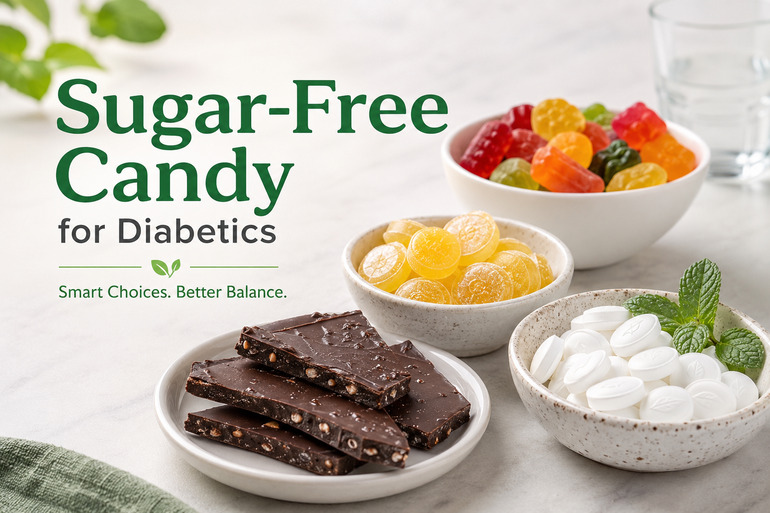
Finding the best sugar-free candy for diabetics isn’t only about avoiding sugar. It should also focus on how ingredients, sweeteners, and portion sizes can influence blood glucose levels.
While many products are labeled “sugar-free,” not all are equally suitable for people managing diabetes, as some may contain sugar alcohols or high-carb fillers that affect individual responses differently.
In this guide, we’ve reviewed and selected 3 best sugar-free candies among hundreds in the market, based on key factors that matter for diabetic-friendly choices, including net carbohydrate impact, type of sweeteners used (such as erythritol, monk fruit, stevia, and xylitol), ingredient quality, and real-world taste and texture.
3 Best Sugar-Free Candies Reviewed for Diabetes
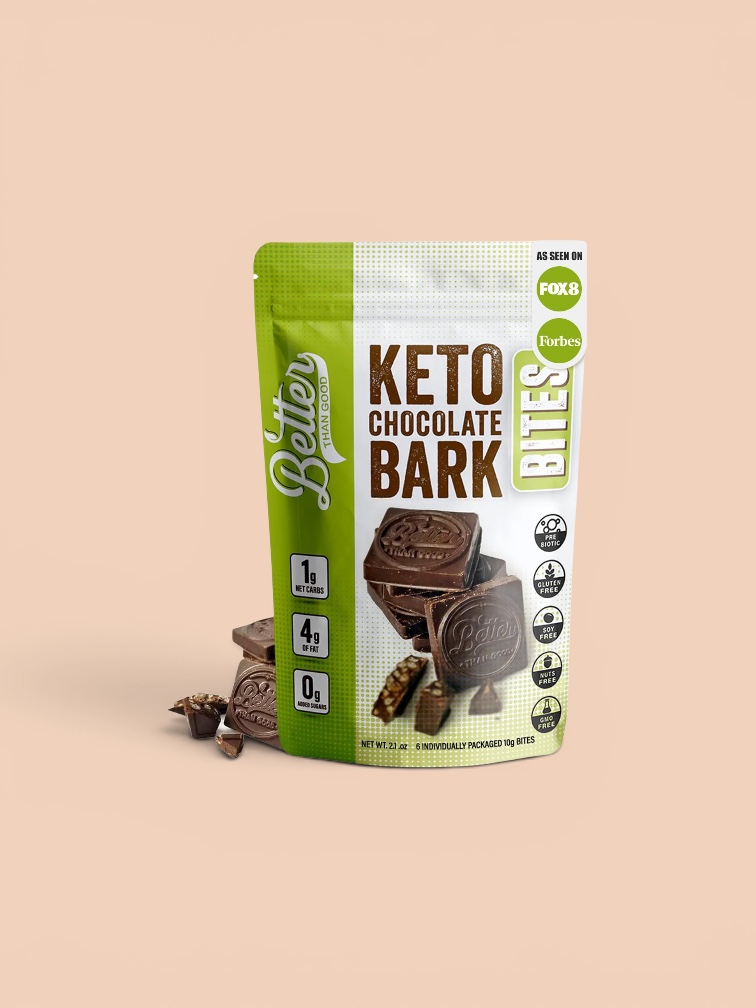
Better Than Good Keto Chocolate Bark
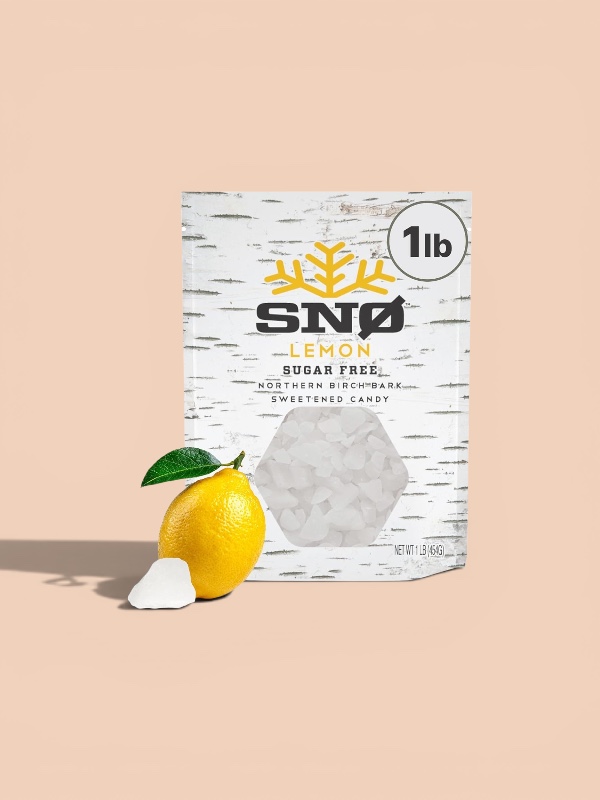
SNØ Lemon Xylitol Candy Chips
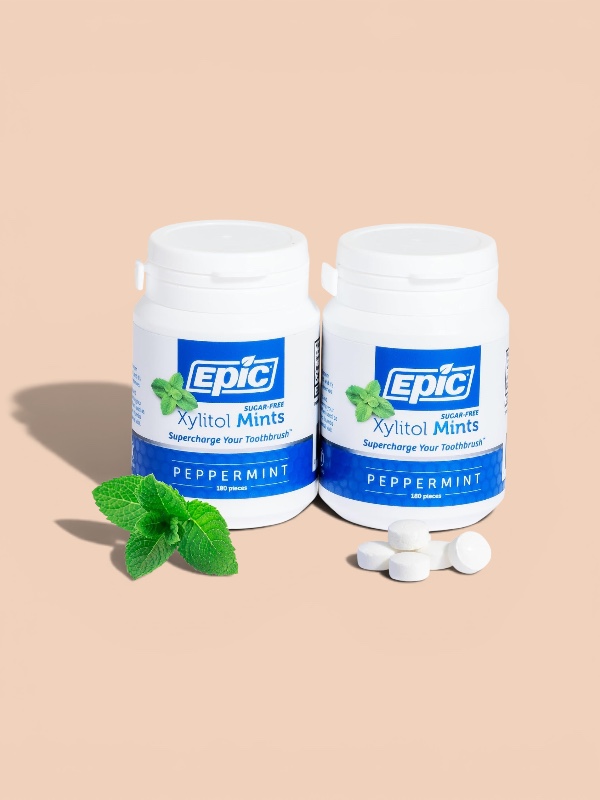
Epic Xylitol Peppermint Mints Candy
How we evaluated the best sugar-free candy for diabetics
We reviewed ingredient labels, sweetener types, carbohydrate impact, texture, and real-world user feedback from diabetic and low-carb consumers. Products containing maltitol-heavy formulas or excessive artificial fillers were avoided whenever possible.
Each product was assessed using:
- Sugar and net carb content per serving
- Type and quality of sweeteners used
- Ingredient transparency and additives
- Taste, texture, and satisfaction (to reduce cravings for regular candy)
- Practical portion control suitability
Disclaimer: It’s important to note that individual blood sugar responses can vary. People with diabetes should always check nutrition labels and monitor how different sweeteners affect their own glucose levels. This guide is for informational purposes only and does not replace medical advice.
Purely No Sugar
The Review · No. 01
rating
Editor’s Choice
Keto chocolate bark
A richer alternative to conventional chocolate candy, combining zero listed sugar with a dark-chocolate profile and portion-conscious sizing. Its monk fruit and erythritol blend may not suit every palate, but the product delivers a more dessert-like experience than many chalky or overly artificial-tasting sugar-free chocolates.
The editorial verdict
Better Than Good Keto Chocolate Bark is best understood as a lower-sugar chocolate option rather than a nutritionally unrestricted food. Based on the product information reviewed, it contains zero grams of sugar and approximately one gram of net carbohydrates per serving, using monk fruit and erythritol in place of refined sugar.
Its strongest feature is the eating experience. The darker cocoa profile and crunchy texture feel closer to a small dessert than a conventional diet candy, making it suitable as an after-dinner bite or a portioned response to a chocolate craving.
For readers managing carbohydrate intake, the individually portioned format may make serving control easier. However, total carbohydrates, sugar alcohol tolerance and individual glucose response should remain part of the decision.
Ingredient audit
-
01
Dark chocolate and cocoa
The 56% dark-chocolate profile gives the product a deeper cocoa character than many mild or overly sweet sugar-free candies. This contributes to its richer, more dessert-like taste.
-
02
Erythritol
Erythritol is a sugar alcohol used to provide sweetness and bulk without refined sugar. Its effect on blood glucose is generally lower than that of ordinary sugar, although digestive tolerance varies from person to person.
-
03
Monk fruit sweetener
Monk fruit provides additional sweetness alongside erythritol. The combination avoids refined sugar, but some readers may notice the cooling sensation or mild aftertaste commonly associated with alternative sweetener blends.
-
04
Simplified formulation
According to the product information reviewed, the formula does not rely on common additions such as corn fiber, soy lecithin or conventional artificial sweeteners. Readers should still confirm the current ingredient and allergen statements on the package, as formulations can change.
Who it may suit
2. SNØ lemon: best sugar-free hard candy chips for diabetics
SNØ Lemon candies are a refreshing sugar-free option for diabetics who want a crunchy hard candy without the heavy sugar content of traditional sweets. Made with birch xylitol and natural lemon flavor, they offer a clean citrusy taste and a light, crisp texture instead of the overly artificial flavor common in many sugar-free candies.
These small candy chips are popular among low-sugar and keto users because they contain no refined sugar or aspartame. Their slowly dissolving texture may also help with portion control and sweet cravings throughout the day.
What makes it diabetic-friendly
- Sweetened with birch xylitol instead of refined sugar.
- Contains no aspartame, sucralose, or artificial sweeteners.
- Lower glycemic impact compared to traditional hard candies.
- Small candy chip size helps reduce overeating and sugar spikes.
What We Like
- Clean lemon flavor without the heavy artificial taste
- Made with only two ingredients, appealing to clean-label shoppers
- No refined sugar, aspartame, or artificial sweeteners
- Crunchy texture and slow-dissolving candy chips help satisfy cravings longer
Things to Consider
- Xylitol may cause digestive discomfort if consumed in large amounts
- The lemon flavor may be too tart for those who prefer sweeter candy
Quick nutrition snapshot
| Sugar | 0g |
| Net Carbs | 0g per serving |
| Sweetener | Birch Xylitol |
| Artificial Sweeteners | None |
| Flavor | Natural Lemon |
| Keto-Friendly | Yes |
| Gluten-Free | Yes |
3. Epic xylitol mints: best sugar-free mint candy for diabetics
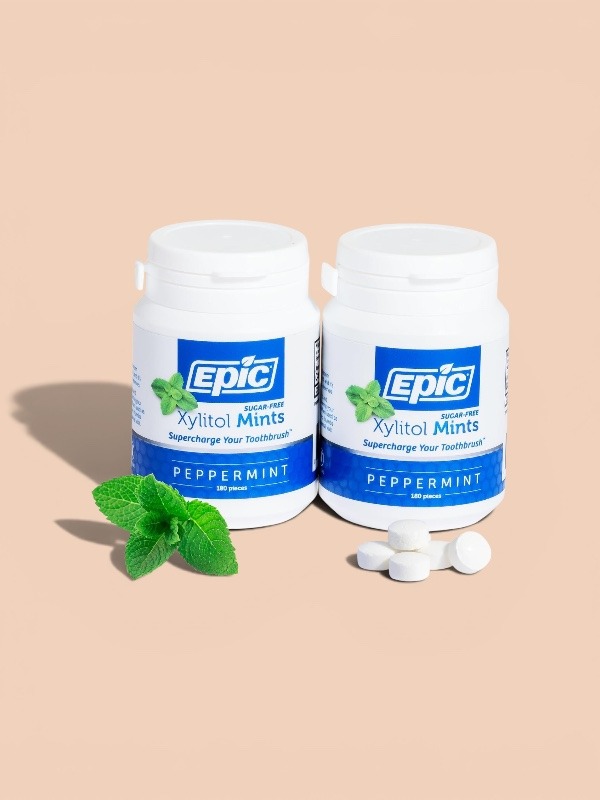
Epic Xylitol Mints is a simple and refreshing choice for diabetics who want a sugar-free mint candy without the high glycemic impact of regular sweets. Sweetened with xylitol instead of refined sugar, these mints provide a cool peppermint flavor while keeping sugar content extremely low.
They are especially useful after meals or during the day when you want something sweet without reaching for traditional candy. The compact packaging also makes them easy to carry in a pocket, bag, or car for quick breath freshening and low-sugar cravings.
What makes it diabetic-friendly
- Sweetened with xylitol instead of refined sugar.
- Contains very little to no sugar per serving.
- Free from aspartame and many common artificial sweeteners.
- A small serving size helps with portion control.
What We Like
- Strong, refreshing peppermint flavor
- Useful for freshening breath after meals
- Sugar-free with a lower glycemic impact than regular mints
- Easy to carry and enjoy throughout the day
- Suitable for low-carb and keto lifestyles
Things to Consider
- Some users may notice a mild xylitol aftertaste
- The strong mint flavor may not appeal to everyone
- Not ideal for people sensitive to sugar alcohols or those who prefer milder mint flavors
Quick nutrition snapshot
| Sugar | 0g |
| Net Carbs | ~0g–0.1g per serving |
| Sweetener | Xylitol |
| Artificial Sweeteners | None |
| Flavor | Peppermint |
| Keto-Friendly | Yes |
| Gluten-Free | Yes |
How to choose the best sugar-free candy for diabetics
When it comes to selecting the best sugar-free candy for diabetics, it is not just about being sugar-free. The sugar content, ingredients, sweeteners, and portions all have an impact on the diabetic lifestyle of a candy.
Sweeteners that matter
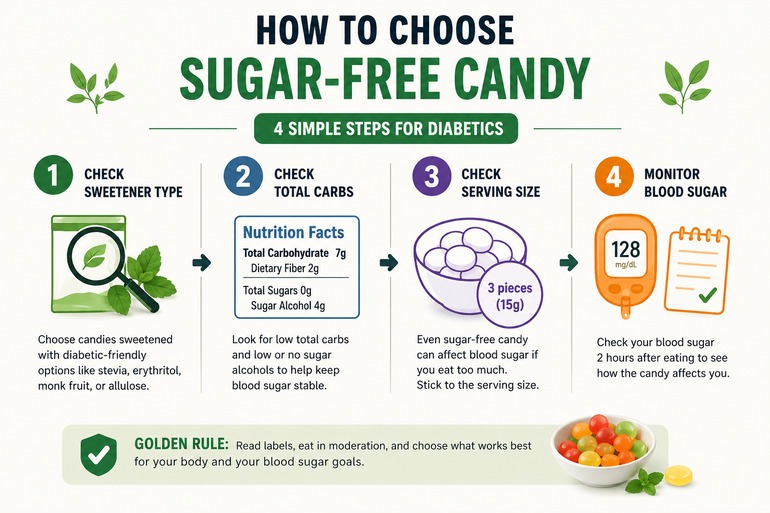
Sugar-free candies don’t all have the same quality. Some people use sweeteners that have little effect on blood glucose, and others may still cause an increase in blood glucose or digestive upset when consumed in excess.
Some of the most commonly used diabetic-friendly sweeteners include:
- Erythritol: A sugar alcohol with very low calories and minimal blood sugar impact.
- Allulose: A rare sugar that tastes similar to regular sugar but has a much lower glycemic effect.
- Monk fruit: A plant-based sweetener often used in keto and diabetic-friendly products.
- Stevia: A natural sweetener extracted from the stevia plant with little to no effect on blood glucose.
Sweeteners to be cautious with
- Maltitol is a common example. Although technically sugar-free, it can still raise blood glucose in some people.
- Certain high-glycemic sugar alcohols may also cause bloating, gas, or digestive discomfort if consumed in excess.
Blood sugar & carb tracking tips
Even sugar-free candy can contain carbohydrates, which is why checking nutrition labels remains important for people managing diabetes.
Net carbs vs. total carbs
Many low-carb candies highlight net carbs instead of total carbohydrates.
- Total carbs include all carbohydrates in the product.
- Net carbs are usually calculated by subtracting fiber and certain sugar alcohols from total carbohydrates.
This matters because some sugar alcohols have less impact on blood sugar than traditional carbs.
How fiber affects blood glucose
Fiber helps to slow digestion and can help prevent rapid blood sugar spikes after eating. Products with additional fiber or naturally high in fiber can have a less dramatic impact on blood sugars than those that are primarily composed of refined starches.
However, serving size should be important: Carbohydrates can accumulate rapidly even in sugar-free snacks.
Taste and texture considerations
One reason many people stop buying sugar-free candy is simple: some products taste artificial or leave a cooling aftertaste that becomes tiring after a few servings. When sugarless candy is too artificial or bad, many people will eventually fall back into eating sugary candy.
Why taste matters for diabetic-friendly eating
Fun tasting foods can be used to trick yourself into eating foods that are balanced and not so bad to consume, especially when you are craving something. Having a satisfying tasting candy might help with consistency and decrease the urge to binge on typical candy.
Texture differences between candy types
Different sugar-free candies offer very different eating experiences:
- Gummies are chewy and fruit-focused but may contain more carbs
- Hard candies last longer and may help with portion control
- Chocolate-based candies often feel more indulgent and dessert-like
Choosing the right texture often depends on personal preference and how the candy fits into your daily routine.
Portion control strategies
Even the “best” sugar-free candy should be eaten in moderation. Consuming large quantities in one sitting can lead to a high carbohydrate intake, or may lead to an upset stomach, particularly if sugar alcohol based products are eaten.
Simple ways to enjoy candy more responsibly
- Stick to the recommended serving size
- Avoid eating directly from large bags or containers
- Pair candy with balanced meals instead of frequent snacking
- Save sweeter treats for occasional cravings rather than daily habits
Portion awareness is important for many people with diabetes, as well as selecting sugar-free products. Even a small serving can help curb cravings and promote more even blood sugar, and it’s better to have those small portions throughout the day.
Best sweeteners ranked for diabetics
| Sweetener | Blood Sugar Impact | Digestive Risk | Best For |
| Monk Fruit | Very low | Low | Chocolate |
| Erythritol | Very low | Moderate | Keto snacks |
| Xylitol | Low | Moderate | Hard candies |
| Maltitol | Higher | Higher | Usually avoid |
Common mistakes to avoid when choosing the best sugar-free candy for diabetics
Choosing sugar-free candy can be helpful for people managing diabetes, but there are still several common mistakes that may affect blood sugar control and overall health goals.
Believing “sugar-free” automatically means healthy
One of the biggest misconceptions is assuming that every sugar-free candy is completely safe for unrestricted eating. While these products usually contain less or no added sugar, many still include carbohydrates, artificial sweeteners, or sugar alcohols that can affect blood glucose levels.
Some candies may also contain processed ingredients, unhealthy fats, or high-calorie counts despite being labeled sugar-free. Reading nutrition labels carefully is still essential.
Ignoring carbohydrates and sweeteners
Many people focus only on the “sugar-free” label and overlook the total carbohydrate content. This can become a problem because certain sweeteners, especially maltitol and some sugar alcohols, may still raise blood sugar levels in some individuals.
Checking the ingredient list and understanding which sweeteners are used can help avoid unexpected glucose spikes or digestive discomfort.
Overeating sugar-free treats
Even diabetic-friendly candy should be eaten in moderation. Sugar-free products still contain calories and carbohydrates, and eating large amounts may affect blood sugar balance over time.
Excess intake of sugar alcohols may also cause bloating, stomach discomfort, or digestive upset in some people. Portion control remains important, even when choosing lower-sugar alternatives.
Treating sugar-free candy as an occasional snack rather than an unlimited “free food” option is usually the most balanced approach for long-term blood sugar management.
The upshot
Living with diabetes does not always mean giving up candy completely. The key is choosing best sugar-free candy for diabetics more carefully, understanding ingredients, and paying attention to portion sizes. Many modern sugar-free candies now offer better taste, lower sugar impact, and more satisfying textures than older alternatives, making it easier to enjoy occasional treats without feeling overly restricted.
Still, every person responds differently to sweeteners and carbohydrates. Reading nutrition labels, checking serving sizes, and monitoring personal blood sugar responses can help you identify which products work best for your lifestyle and health goals.
When enjoyed in moderation and paired with mindful eating habits, sugar-free candy can still fit into a balanced, diabetic-friendly routine without taking away the enjoyment of sweet cravings.
FAQs
People with diabetes should enjoy sugar-free candy occasionally, yet moderation is still important. Even sugar-free treats may contain carbohydrates, calories, and sweeteners that can affect blood sugar levels if consumed excessively. Portion control and balanced eating habits remain essential.
Yes, some sugar-free candies can still raise blood sugar depending on the sweeteners and carbohydrate content used. Ingredients like maltitol may have a greater glycemic impact than sweeteners such as stevia, monk fruit, erythritol, or allulose.
Not always. Sugar-free candy removes traditional sugar, but some products may still contain processed ingredients or sweeteners that affect digestion and blood glucose. In some cases, low-sugar options with simpler ingredients may be a better fit depending on individual dietary needs.
Sweeteners commonly considered better for diabetic-friendly candy include stevia, monk fruit, erythritol, and allulose. These sweeteners are generally lower in glycemic impact compared to regular sugar and certain high-glycemic sugar alcohols.