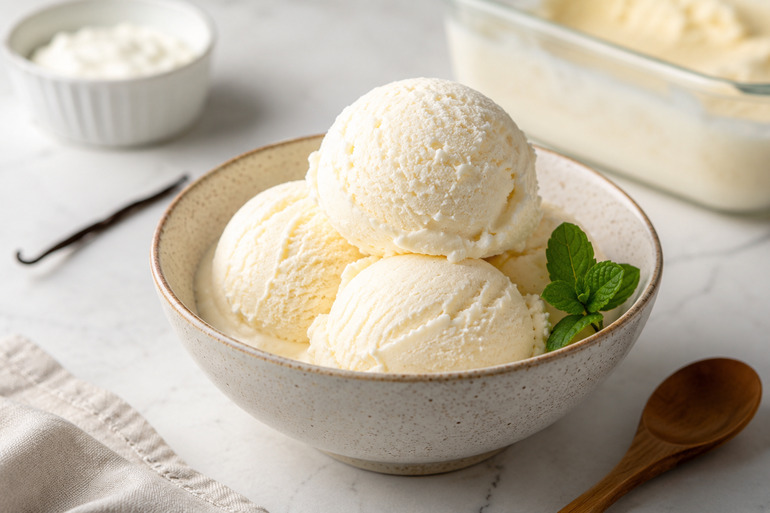
Something is frustrating about craving ice cream while trying to avoid sugar. Most store-bought “sugar-free” options either taste icy, overly artificial, or come packed with ingredients that barely feel homemade.
The good news? You don’t need an expensive ice cream machine to make creamy, rich, sugar-free ice cream at home.
With a few simple ingredients and the right method, you can create a smooth no-churn dessert that tastes indulgent while staying low in sugar and carbs.
In this guide, you’ll learn exactly how to make sugar-free ice cream without a machine, which ingredients create the creamiest texture, and how to customize it for keto or low-carb lifestyles.
Sugar-free ice cream recipe ingredients
Making homemade ice cream without a machine is all about texture. Since there’s no churning process, every ingredient plays an important role in keeping the ice cream creamy instead of icy.
Core ingredients
These simple ingredients create the base for a reliable sugar-free ice cream recipe:
- Heavy cream (for richness and smooth texture)
- Unsweetened almond milk or regular milk
- Sugar-free sweetener (monk fruit, erythritol, or stevia)
- Vanilla extract (adds warmth and flavor depth)
- Pinch of salt (balances sweetness)
Optional add-ins
Want to customize your ice cream? These additions work especially well:
- Unsweetened cocoa powder
- Sugar-free chocolate chips
- Peanut butter
- Crushed nuts
- Fresh berries
- Cinnamon
Best sweetener options for homemade ice cream
Not every sweetener freezes the same way. Some stay smooth, while others can become grainy after freezing.
| Sweetener | Taste | Best For | Notes |
|---|---|---|---|
| Monk fruit blend | Balanced sweetness | Creamy texture | Closest to sugar |
| Erythritol | Mild cooling effect | Keto recipes | May crystallize |
| Stevia | Very sweet | Low-calorie recipes | Use carefully |
| Allulose | Smooth texture | Soft ice cream | Less icy consistency |
According to the U.S. Food and Drug Administration, commonly used sweeteners like stevia and monk fruit are generally recognized as safe when consumed within recommended amounts.
How to make sugar-free ice cream without a machine (step-by-step)
The process is simple, but a few small details make a huge difference in texture and flavor. Following these steps carefully helps prevent icy or hard ice cream.
What you’ll need
- 2 cups heavy cream
- 1 cup unsweetened almond milk
- 1/3–1/2 cup sugar-free sweetener
- 1 teaspoon vanilla extract
- Pinch of salt
Step 1: Chill your mixing bowl
Before starting, place your mixing bowl in the refrigerator or freezer for about 10–15 minutes. A cold bowl helps the cream whip faster and creates a lighter texture.
Step 2: Whip the heavy cream
Pour the heavy cream into the chilled bowl. Using a hand mixer or whisk:
- Beat until soft peaks form
- Avoid overmixing
- The texture should look fluffy and airy
This step helps replace the texture normally created by an ice cream machine.
Step 3: Mix the flavor base
In another bowl, combine:
- Almond milk
- Sweetener
- Vanilla extract
- Pinch of salt
Whisk until the sweetener dissolves properly.
Tip: If using erythritol, warm the milk slightly first to help reduce graininess later.
Step 4: Fold everything together gently
Slowly fold the milk mixture into the whipped cream. Do not stir aggressively. Gentle folding helps keep the mixture light and creamy instead of dense.
Step 5: Add optional flavors
This is where you can customize your homemade sugar-free ice cream. Popular combinations include:
- Cocoa powder for chocolate ice cream
- Peanut butter for a richer flavor
- Crushed nuts for texture
- Berries for a fruity twist
Mix lightly to keep the texture airy.
Step 6: Freeze properly
Transfer the mixture into a freezer-safe container. For best results:
- Cover tightly
- Freeze for 4-6 hours
- Stir once after 1-2 hours to reduce ice crystals
The ice cream should become scoopable and creamy once fully chilled.
Quick texture fixes
Even homemade ice cream sometimes needs adjustments. Here’s how to fix common texture issues:
- Too hard? Let it sit at room temperature for 5–10 minutes before scooping
- Too icy? Add a little more cream next time
- Grainy texture? Use less erythritol or switch to allulose
- Not sweet enough? Add liquid stevia drops before freezing
Making it keto and low-carb friendly
If you follow a keto diet, choosing the right ingredients matters. Some sweeteners and milk options contain hidden carbs that can quickly add up.
To keep this recipe keto-friendly:
- Use monk fruit, allulose, or erythritol
- Avoid sweeteners with maltodextrin
- Choose unsweetened almond milk
- Use full-fat heavy cream for better texture
According to the Harvard T.H. Chan School of Public Health, reducing refined sugar intake may help support healthier blood sugar control and reduce excess calorie consumption. That’s one reason many people prefer low-carb desserts made with sugar alternatives.
Flavor ideas for sugar-free ice cream
Once you get comfortable with the basic recipe, the fun part begins: experimenting with flavors. One of the best things about homemade sugar-free ice cream is how easy it is to customize.
You can create rich chocolate versions, fruity summer flavors, or even café-style coffee ice cream without needing complicated ingredients or special equipment.
Here are a few easy flavor variations that work especially well with this no-churn recipe:
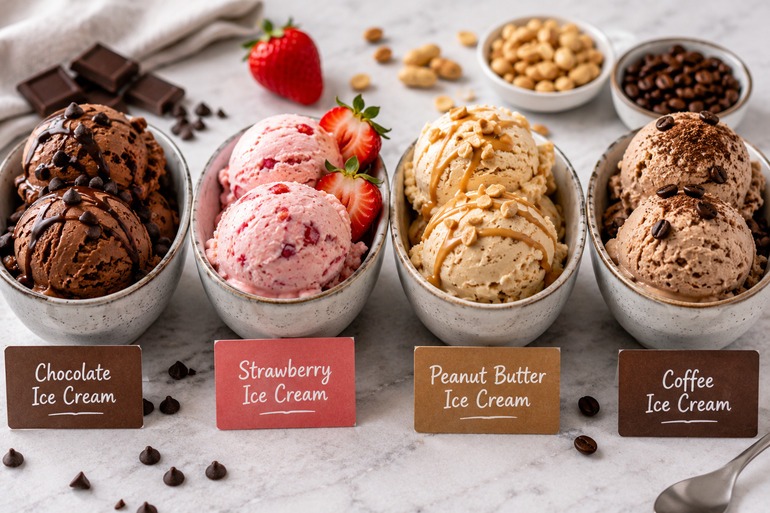
1. Chocolate ice cream
If you love a deep chocolate flavor, this is the easiest upgrade. Add:
- 2 tablespoons unsweetened cocoa powder
- A handful of sugar-free chocolate chips
For a richer taste, mix the cocoa powder into the milk base before folding it into the whipped cream. This helps create a smoother chocolate texture without dry cocoa clumps.
Tip: A tiny pinch of espresso powder can make the chocolate flavor taste even deeper without making the ice cream taste like coffee.
2. Strawberry ice cream
This version tastes fresh, light, and perfect for warmer days.
Blend in:
- Fresh strawberries
- A few drops of vanilla extract
For the best texture, lightly pat the strawberries dry after blending. Too much water can create ice crystals and make the ice cream less creamy.
You can also swirl small strawberry pieces through the mixture for a more natural, homemade feel.
3. Peanut butter ice cream
This flavor creates a rich, creamy dessert that feels extra indulgent while still staying low in sugar.
Mix in:
- 2 tablespoons natural peanut butter
- Crushed peanuts for texture
For a smoother result, slightly warm the peanut butter before mixing it into the base. This helps it blend evenly and prevents heavy peanut butter pockets from forming during freezing.
A small drizzle of sugar-free chocolate syrup on top turns it into an easy peanut butter mocha-style dessert.
4. Coffee ice cream
This homemade version tastes similar to café-style coffee ice cream but without the added sugar.
Add:
- 1 teaspoon instant coffee powder
- A small amount of cocoa powder for a mocha flavor
Dissolve the coffee powder in a teaspoon of warm water first. This helps distribute the flavor evenly throughout the mixture.
If you enjoy a stronger coffee flavor, increase the instant coffee slightly, but add slowly because freezing naturally softens sweetness while making coffee flavors more noticeable.
Best storage tips for homemade ice cream
Homemade sugar-free ice cream doesn’t contain preservatives, so proper storage is important. Follow these tips:
- Store in an airtight container
- Keep frozen
- Use within 1–2 weeks for the best texture
- Place plastic wrap directly over the surface to reduce ice crystals
If it freezes too solidly, allow it to soften slightly before serving.
Why homemade sugar-free ice cream is worth making
Store-bought sugar-free desserts often contain stabilizers, preservatives, and artificial aftertastes. Making your own gives you complete control over:
- Sweetness
- Ingredients
- Flavor combinations
- Texture
It’s also more affordable in the long run and surprisingly easy once you learn the basic process. Here’s why homemade is often the better choice:
- No added sugar
- Fewer processed ingredients
- Easy to customize
- Budget-friendly
- Better flavor freshness
Common mistakes and how to avoid them
Even simple no-churn ice cream can go wrong if certain steps are skipped. Avoid these common mistakes:
- Overwhipping the cream
- Using too much sweetener
- Freezing without covering the container
- Adding watery fruits without draining them first
If your ice cream becomes icy, it usually means there wasn’t enough fat content or the mixture froze too slowly.
The upshot
Making sugar-free ice cream without a machine is easier than most people expect. With simple ingredients and a no-churn method, you can enjoy creamy homemade ice cream without added sugar or complicated equipment.
Whether you want a keto-friendly dessert, a healthier alternative, or simply better flavor than store-bought options, this recipe gives you full control over every ingredient.
Start with the basic version, experiment with flavors, and enjoy homemade ice cream whenever the craving hits, without the extra sugar.
FAQs
Yes, absolutely. Using whipped cream and proper freezing techniques allows you to make creamy homemade ice cream without special equipment.
Monk fruit blends and allulose usually work best because they create a smoother texture and have less aftertaste compared to some other sweeteners.
Sugar-free ice cream can freeze harder because sugar normally helps keep ice cream soft. Letting it sit at room temperature for a few minutes before scooping usually fixes this.
Yes, as long as you use keto-approved sweeteners like monk fruit, erythritol, or allulose and avoid high-carb mix-ins.
Homemade sugar-free ice cream can generally be kept in the freezer for up to 1–2 weeks when stored in a tightly sealed, airtight container. For the best flavor and texture, it’s ideal to enjoy it within that time.